In a time when we are reminded how fortunate we have been, in many ways, to live as Jews with the ability to observe freely, we also feel how fragile that can be. There have been times in our history when our ancestors had to fight much harder just to hold on to their identity and traditions.
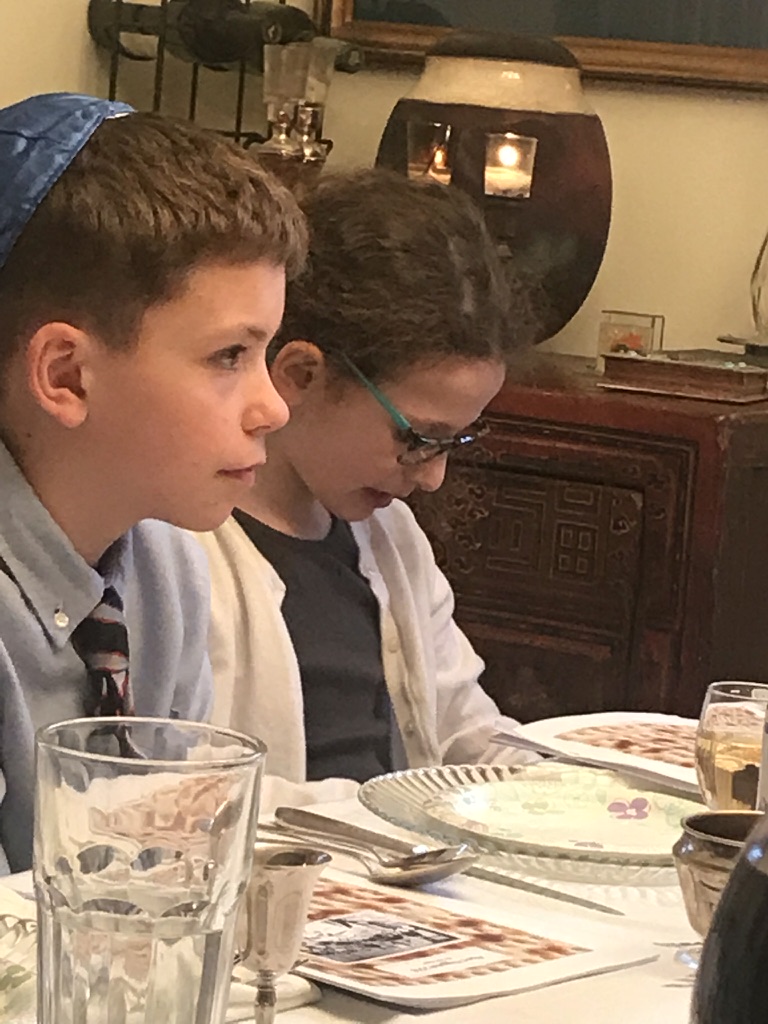
Most of us, hopefully, will have the privilege of sitting around the table with family and friends, opening the Haggadah, and talking about freedom, oppression, and what our ancestors endured to bring us to where we are today.
Across the world, Jews will gather for Seders. Some will be traditional and follow every step, others will be more abridged, and some may simply come together over the foods of the holiday without a full Seder. However it looks, each one is a reflection of connection—to our past, to each other, and to what it means to be a people.
We are a people with many ways of living Judaism. Our traditions vary by background, by where our families came from, and by how we each choose to observe. And still—we are one people.
We are a small people who have survived extraordinary challenges, often as minorities in the countries we’ve called home. Our customs have evolved across time and place, shaped by what was carried, protected, and passed down. Yet there is something powerful that remains unchanged.
For me, keeping these traditions alive—and respecting all the ways people choose to be Jewish—matters deeply. Running a kosher kitchen is one way I try to create space for that. It allows our community to gather across different levels of observance, to sit at the same table, and to feel a sense of belonging.
There are enough voices in the world that remind us how we are different, or try to separate us. Within our own community, we have the opportunity to do the opposite—to be mensches, to show respect, and to find connection through those differences.
Here in Milwaukee, our community is strongest when we connect across all parts of who we are—when we learn from one another, share with one another, and show up for each other. Leaning into that connection is what will continue to build a stronger, more unified community.
That idea is at the heart of why we chose the name Mosaic. A mosaic is made up of many individual pieces—each different in shape, color, and origin—but when brought together, they create something whole and beautiful. That is what our Jewish community looks like, and what we strive to reflect in the work we do every day.
And on this night, something remarkable happens. Around the world, Jews will be sitting at their tables, many speaking different languages, living different lives—but all telling the same story, and saying the same prayers in Hebrew.
After everything our people have been through, that continuity is something extraordinary.
May we all feel that connection—not just to those at our tables, but to our people everywhere.
May this Pesach bring a deeper sense of meaning, resilience, and unity.
Chag Sameach,
Hannah, Mordechai, and the team at Mosaic Catering